
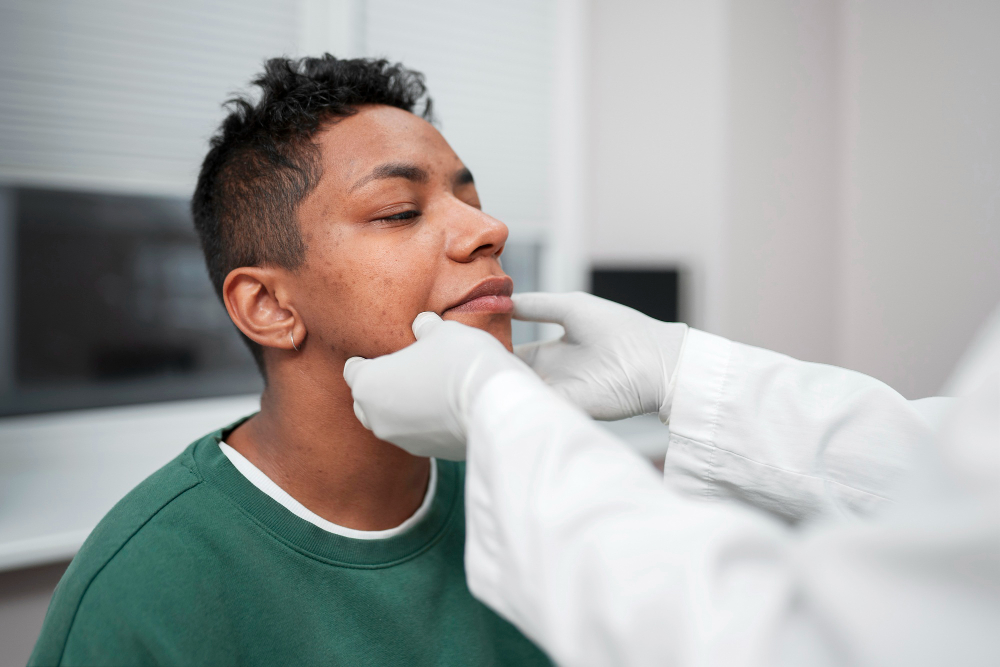
Lip repair is carried out at around 3 to 4 months under full anaesthetic. The whole emphasis is on muscle repair in order to mould the distorted premaxilla back into place. The repair involves making incisions and bringing the pieces of lip together to form a full lip. There are a number of different techniques from which the surgeon can choose depending on the nature of the cleft. Your child will be given pain killers after the procedure and the stitches will be removed after approximately one week again under general anaesthetic.

Palate repair is carried out between 6 and 12 months of age under full anaesthetic. The surgery involves making a number of incisions in the palate and using the tissue and muscle present to close the cleft in three layers: the roof of the mouth, the floor of the nose, and the muscle in between. In about 10% of palate repairs, the centre does not heal, leaving a hole (fistula) which may require surgical closure between 3 and 10 years of age.

This procedure involves repositioning tissue from the palate and back of the throat to prevent air escape through the nose, which causes nasal speech.
Velopharyngeal incompetence (VPI) occurs in 10-20% of palate repairs and cannot be corrected by speech therapy alone.

Alveolar bone grafting replaces missing bone in the front and roof of the mouth, usually between 9-11 years of age. Bone is typically taken from the iliac crest. Timing is determined by the orthodontist, while the procedure is performed by a maxillofacial or plastic surgeon. A lip revision may sometimes be done at the same time.
Rhinoplasty, or nasal surgery, improves the appearance of the nose and may use ear cartilage. Surgery can be done from school age into teenage years, with final interventions often around 16-18 years.

A report in February 1999 reviewed oral and maxillofacial surgery services in the Eastern Health Board region, highlighting needs, resources, and shortcomings in cleft lip and palate care.

An article in the Irish Times in October 1987 reviewed the state of treatment in Ireland at that time.